













 Loading...
Color Up Review: A Simple Color-Matching Game That Tests Focus and Timing
Color Up is a casual mobile and browser game built around one deceptively simple idea: move a ball and land it only on platforms that match its color. At first glance, the concept feels easy and relaxing, but after a few minutes of play, it becomes clear that the challenge lies in speed, focus, and precise timing. One wrong move, one missed color match, and the round ends immediately.
This game belongs to the casual arcade genre, designed for players who enjoy short, engaging sessions rather than long, complex gameplay systems. Color Up is ideal for people who want a quick mental challenge during breaks, commutes, or downtime. It does not require prior gaming experience, complicated controls, or long tutorials. Instead, it relies on clean mechanics, fast reactions, and gradual difficulty to keep players engaged.
Color Up is especially appealing to players who enjoy minimalist games that are easy to understand but hard to master. It rewards concentration and rhythm rather than memorization or strategy, making it suitable for a wide audience ranging from casual players to those who enjoy improving high scores.
Gameplay and User Experience
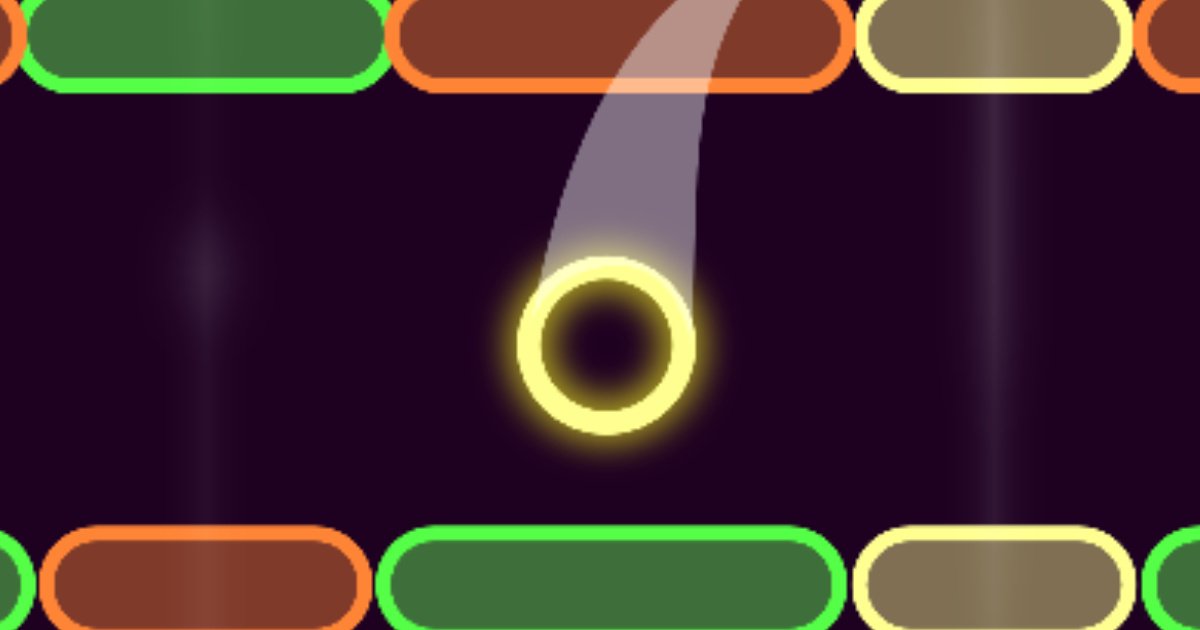
The gameplay of Color Up is intentionally straightforward. Players control a ball that moves horizontally across the screen. Using swipe gestures or directional input (depending on platform), the goal is to guide the ball onto the next platform that matches the ball’s current color. If the ball lands on a platform with the wrong color, the game ends instantly.
This instant-fail mechanic is what gives Color Up its tension and excitement. Every movement matters. Players must quickly identify colors, judge distances, and react at the right moment. The game does not overwhelm the player with rules or instructions; instead, it allows learning through play. Within seconds, the objective becomes clear.
As gameplay continues, platforms appear in different positions and sizes, and the pace gradually increases. This progression feels natural rather than forced. The difficulty curve is steady, meaning players improve their skills at the same time the game becomes more challenging. This balance prevents frustration while still keeping the experience engaging.
From a user experience perspective, Color Up performs very well. Controls are responsive, with no noticeable input delay. The ball moves smoothly, and transitions between platforms feel fluid. This responsiveness is essential in a game where timing is everything. Any lag would break the experience, but Color Up maintains consistent performance even during faster sections.
Another strength is how easy it is to jump in and out of the game. A single round can last seconds or minutes depending on skill, making it perfect for short play sessions. There is no pressure to commit long periods of time, which is one of the reasons casual players often return to this type of game.
Main Features
Color Up may appear simple on the surface, but several thoughtful features contribute to its lasting appeal:
-
Intuitive Controls: The swipe-based or directional control system is easy to learn and comfortable for all ages.
-
Color Matching Mechanic: Matching the ball to the correct platform color keeps the brain actively engaged.
-
Endless Gameplay Format: There is no fixed ending, encouraging players to beat their own high scores.
-
Gradual Difficulty Increase: Speed and complexity grow naturally, keeping gameplay fresh.
-
Quick Restart: Instant restarts reduce frustration and encourage repeated attempts.
-
Lightweight Performance: Runs smoothly on most devices without heavy system requirements.
-
Accessible Design: Suitable for both beginners and experienced casual gamers.
These features work together to create a game that feels polished without being complicated. The focus remains on the core mechanic, which is refined rather than overloaded with unnecessary additions.
Graphics, Design, and Sound
Visually, Color Up follows a minimalist design philosophy. The backgrounds are clean and uncluttered, allowing players to focus entirely on the platforms and the ball. Colors are bright, distinct, and easy to recognize, which is essential for a color-matching game where split-second decisions matter.
The platforms are clearly defined, and spacing between them is designed to be readable at both slow and fast speeds. The ball stands out clearly from the environment, reducing eye strain during longer sessions. Animations are smooth and subtle, enhancing motion without distracting from gameplay.
The interface is simple and functional. There are no unnecessary overlays or confusing menus. Everything is designed to keep attention on the gameplay itself, which improves immersion and reduces cognitive overload.
Sound design in Color Up is minimal but effective. Light sound effects provide feedback for successful moves and mistakes. These sounds help reinforce timing and create a sense of rhythm while playing. The audio is not overpowering, making it suitable for playing in public spaces or with low volume. While players seeking complex music or immersive audio may find it basic, the sound design fits the game’s casual nature well.
Pros and Cons
An honest review requires acknowledging both strengths and limitations. Color Up succeeds in many areas but also has a few minor drawbacks.
Pros:
-
Extremely easy to learn and start playing
-
Engaging and addictive core mechanic
-
Smooth controls and responsive input
-
Clean, visually pleasing design
-
Suitable for short or long play sessions
-
Runs well on most devices
Cons:
-
Limited gameplay variety over long periods
-
No story or progression system
-
Can feel repetitive for players seeking depth
-
Minimal sound variety
These drawbacks are common in casual arcade games and do not significantly reduce the overall enjoyment, especially for the intended audience.
Tips and Recommendations for New Players
To get the most enjoyment and improve performance in Color Up, new players may find the following tips helpful:
-
Focus Ahead: Always look at the next platform rather than reacting at the last second.
-
Control Your Timing: Avoid rushing movements; smooth swipes often lead to better accuracy.
-
Play in Short Sessions: Taking breaks helps maintain focus and reduces frustration.
-
Learn the Rhythm: As speed increases, develop a natural sense of timing.
-
Stay Calm: Panic leads to mistakes; steady movements usually produce better results.
These simple habits can significantly improve scores and make the game more enjoyable over time.
*mouse*
Embed this game